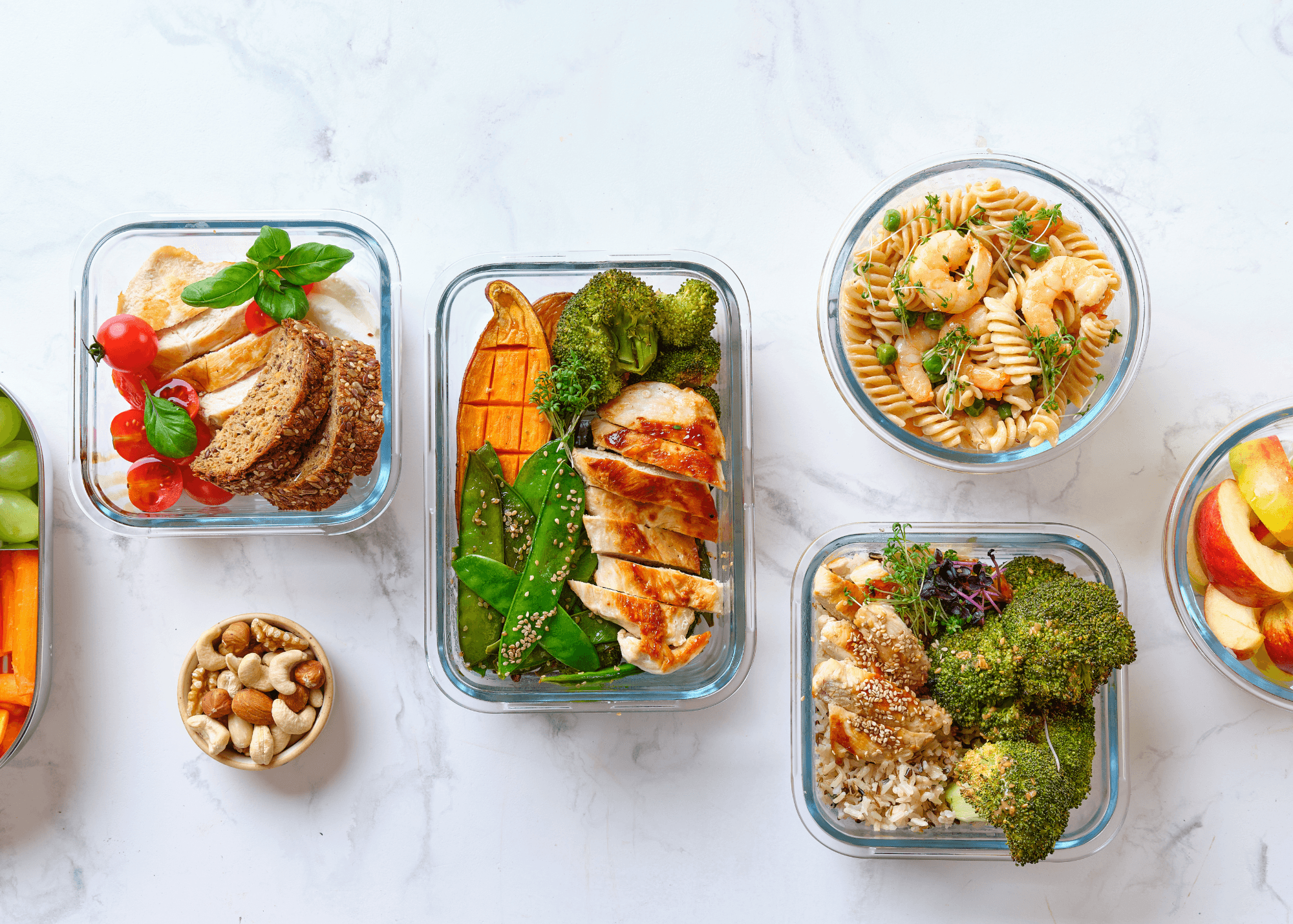
Unlock Your Potential: The Transformative Power of Weekly Meal Prepping
In our fast-paced world, finding time to consistently eat healthy, home-cooked meals often feels like an impossible feat. The allure of takeout, convenience foods, and skipping meals altogether can derail even the best intentions. But what if there was a simple, yet profoundly impactful, strategy to reclaim your kitchen, your health, and your precious time? Enter weekly meal prepping – a practice that has revolutionized healthy eating for countless individuals, including myself. If you're wondering
how to meal prep for the week and unlock a cascade of benefits, you're in the right place.
Meal prepping isn't just a trend; it's a sustainable lifestyle choice that empowers you to take control of your diet, budget, and wellness journey. For many, including myself when I first started, the primary motivation is often weight loss or simply eating healthier. Ditching processed foods and actively preparing meals at home became a non-negotiable step. The results can be astounding: consistent healthy eating becomes effortless, leading to significant positive changes. Imagine having nutritious, delicious food ready to go when hunger strikes, eliminating the guesswork and the temptation of less healthy options. That's the undeniable magic of meal prep.
What Exactly is Weekly Meal Prepping?
At its core, meal prepping is the practice of planning, preparing, and portioning your meals, meal components, or ingredients in advance, typically once a week. This dedicated time, often a couple of hours on a Sunday, ensures that nutritious food is readily available throughout your busy week. It’s about leveraging your limited free time efficiently so that when life gets hectic, your healthy eating habits don't falter.
The beauty of meal prep lies in its flexibility. It can range from:
- Batch Cooking Full Meals: Preparing entire dishes like casseroles, stews, or baked chicken and vegetables that are ready to heat and eat.
- Component Prepping: Cooking individual ingredients like grains (quinoa, rice), proteins (grilled chicken, roasted chickpeas), and chopped vegetables separately, which can then be mixed and matched to create different meals.
- Snack & Breakfast Prep: Assembling overnight oats, fruit salads, or portioning nuts and seeds for quick grab-and-go options.
Regardless of the method, the goal remains the same: to simplify healthy eating during the week, reduce stress, and put you firmly in charge of what you consume.
The Transformative Benefits of Embracing Weekly Meal Prep
From boosting your physical health to streamlining your daily routine, the advantages of consistent meal preparation are far-reaching.
1. Unmatched Time Savings and Stress Reduction
Think about the cumulative time you spend each weekday deciding what to cook, gathering ingredients, and then actually preparing the meal. This daily ritual can easily consume an hour or more. By dedicating a few hours to meal prep on a less busy day, you can save 3-4 times that amount of time during the week. Imagine arriving home after a long day, not having to worry about dinner, or effortlessly grabbing a pre-packed lunch in the morning. This reduction in daily decision-making and cooking obligations significantly reduces stress, allowing you to reclaim precious evenings for relaxation, hobbies, or quality time with loved ones. No more last-minute grocery runs or panicking over an empty fridge!
2. Enhanced Nutritional Control and Weight Management
One of the most powerful aspects of meal prepping is the control it gives you over your diet. When you prepare your own food, you know exactly what ingredients are going into each dish, allowing you to make intentional, healthy choices. This is crucial for:
- Weight Loss: As someone who successfully lost 30 lbs by adopting meal prep, I can attest to its effectiveness. By having healthy, portion-controlled meals ready, you naturally consume fewer calories and avoid the pitfalls of spontaneous, unhealthy food choices.
- Balanced Nutrition: You can strategically incorporate more vegetables, lean proteins, and whole grains into your diet. Struggling with lunch options? Healthy mason jar salads become a regular feature, ensuring you meet your daily veggie intake.
- Dietary Needs: Easily cater to specific dietary requirements, allergies, or preferences without relying on restaurant menus or packaged foods.
Meal prep makes eating healthy a habit, not an exception, paving the way for sustainable wellness goals.
3. Significant Financial Savings
While purchasing higher-quality ingredients might seem more expensive initially, meal prepping is a phenomenal money-saver in the long run. By planning your meals and creating a precise grocery list, you only buy what you need, dramatically reducing impulse purchases and food waste.
- Reduced Takeout & Restaurant Spending: The biggest savings come from cutting down on expensive restaurant meals, fast food, and convenience items that quickly add up.
- Smart Shopping: You'll no longer fill your cart with pre-made frozen meals or unhealthy snacks because you have a plan. Instead, you'll invest in versatile whole ingredients that can be used across multiple recipes.
- Less Food Waste: Planned meals mean using up all your purchased produce and proteins before they spoil.
The conscious choice to prepare meals at home consistently outperforms the cost of eating out or relying on processed alternatives.
4. Effortless Clean-Up
Who enjoys a mountain of dishes after a long day? Not many! With meal prep, the bulk of your cooking and associated cleaning happens during one dedicated session. This means fewer pots, pans, and utensils to wash during the week. After enjoying your prepped dinner, all that's left are the dishes you ate from, making post-meal clean-up a breeze. This benefit, often underestimated, contributes significantly to a less stressful and more enjoyable weekday evening routine.
5. Breaking Mindless Eating Habits
Are you prone to grazing while preparing dinner, nibbling on snacks, or reaching for whatever's easiest when hunger strikes? Meal prep provides a powerful antidote to mindless eating. When healthy, satisfying meals are already prepared and portioned, the temptation to consume an extra 500-700 "random calories" while cooking disappears. Instead, you can simply heat up your prepped meal and eat intentionally, fostering a healthier relationship with food and greater awareness of your hunger cues.
How I Meal Prep for the Week: Practical Steps to Get Started
Embarking on your meal prep journey doesn't have to be overwhelming. Here's a practical breakdown of
how to meal prep for the week effectively:
- Plan Your Week's Meals: Start by deciding what you want to eat for breakfast, lunch, and dinner for the upcoming 3-5 days. Consider recipes you enjoy, seasonal ingredients, and your family's preferences. Theme nights (Meatless Monday, Taco Tuesday) can make planning easier.
- Create a Smart Grocery List: Based on your meal plan, list every single ingredient you'll need. Check your pantry and fridge first to avoid buying duplicates. Stick to this list diligently at the store.
- Dedicate Prep & Cook Time: Set aside 2-4 hours on a designated day (e.g., Sunday afternoon). This is your "power hour" (or hours!).
- Wash & Chop: Get all your vegetables washed, peeled, and chopped.
- Batch Cook Grains: Cook a large batch of rice, quinoa, or pasta.
- Prepare Proteins: Grill, bake, or roast chicken, fish, or plant-based proteins.
- Make Sauces & Dressings: Whip up homemade dressings or marinades.
You don't have to cook everything from scratch. Focus on preparing components that take the longest or are most frequently used.
- Portion and Store Correctly: Once components are cooked and cooled, portion them into individual airtight containers. This is crucial for maintaining freshness and ensuring appropriate serving sizes. Label containers if needed, especially if freezing. Invest in good quality, BPA-free containers.
Remember, perfection isn't the goal. Start small, perhaps by prepping just lunches for the week, and gradually expand as you gain confidence and find what works best for you.
Making Meal Prep a Sustainable Habit
Consistency is key to reaping the long-term benefits of meal prepping. Here are a few tips to ensure it becomes a sustainable part of your lifestyle:
- Start Simple: Don't try to prep every single meal for the entire week from day one. Begin with 2-3 lunches or dinners.
- Find Your Favorites: Stock your recipe rotation with dishes you genuinely enjoy and that hold up well in the fridge.
- Be Flexible: Life happens. If you miss a prep session, don't beat yourself up. Just get back on track the next week.
- Involve Others: If you live with family, involve them in the planning and prepping process. It makes it a shared effort and increases buy-in.
Conclusion
Weekly meal prepping is far more than just cooking ahead; it's a strategic investment in your health, time, and financial well-being. It transforms chaotic weekdays into streamlined routines, replacing stress with convenience and unhealthy choices with intentional nutrition. By understanding
how to meal prep for the week and committing to the process, you unlock the potential to achieve your wellness goals, drop unwanted weight, save money, and, most importantly, create a healthier, happier lifestyle for yourself and your family. Start your meal prep journey today and experience the incredible benefits firsthand – your future self will thank you!