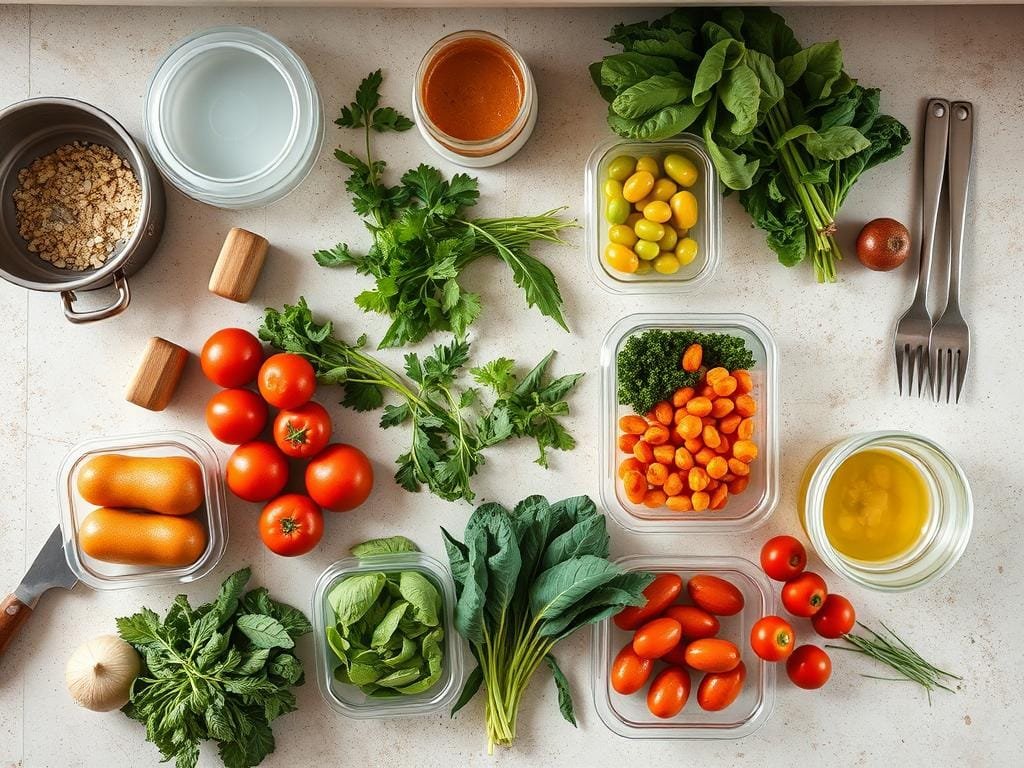
Meal Prep Magic: Your Blueprint for Time, Money & Healthier Eating Daily
In the whirlwind of modern life, the quest for healthy, home-cooked meals often feels like an insurmountable challenge. Between demanding careers, family responsibilities, and a myriad of other commitments, it's all too easy to fall into the trap of convenience food, expensive takeout, or unhealthy last-minute choices. But what if there was a simple, powerful strategy to reclaim your evenings, trim your grocery bill, and consistently fuel your body with nutritious food? Enter meal prep – a transformative habit that has revolutionized countless kitchens and lifestyles, mine included.
For many, the initial push into meal prep comes from a desire to address specific pain points: perhaps it's the frustration of nightly "what's for dinner?" dilemmas, the shock of a ballooning grocery budget, or a steadfast commitment to wellness goals like weight loss or improved energy. Whatever your motivation, understanding the fundamentals of easy weekly meal prep can be the game-changer you've been searching for. This article will delve into the magic of preparing your meals ahead of time, explore the profound benefits, and most importantly, answer the burning question: how I meal prep for the week to achieve these fantastic results.
The Transformative Power of Weekly Meal Prep
At its core, meal prep is the practice of planning, preparing, and portioning meals, or meal components, in advance. This means dedicating a few hours once a week – often on a Sunday – to get a head start on your culinary week, ensuring healthy food is readily available when time is limited. The impact of this seemingly simple routine extends far beyond just having food in the fridge; it permeates various aspects of daily life, delivering a cascade of benefits:
- Unprecedented Time Savings: Imagine arriving home after a long day with dinner practically ready. That's the reality with meal prep. By consolidating cooking, chopping, and cleaning into one dedicated session, you save 3-4 times that effort during the busy week. Instead of daily dinner struggles, you're looking at quick warm-ups or minimal assembly, freeing up precious evening hours for relaxation, family, or hobbies.
- Significant Financial Savings: One of the most immediate and tangible benefits of meal prep is greater control over your grocery budget. By creating a meal plan and sticking to a shopping list, you only buy what you need, minimizing impulse purchases and reducing food waste. This intentional approach means less money spent on expensive last-minute takeout, processed convenience foods, and restaurant meals, even if you opt for higher-quality ingredients.
- Consistent Healthier Eating Habits: The direct link between meal prep and improved nutrition is undeniable. When nutritious meals and snacks are prepped and portioned, you’re far less likely to succumb to unhealthy cravings or reach for ultra-processed options out of hunger or convenience. This intentionality helps you stay aligned with dietary goals, whether it's weight management, increasing vegetable intake, or managing specific health conditions. It actively combats "mindless eating" that often occurs while waiting for dinner to cook.
- Reduced Stress & Decision Fatigue: The mental burden of daily meal planning, grocery shopping, and cooking decisions can be exhausting. Meal prep removes this significant source of stress from your weekdays. Knowing exactly what you'll eat for breakfast, lunch, and dinner eliminates the daily scramble and provides a sense of calm and control.
- Simplified Kitchen Clean-Up: Who enjoys scrubbing pots and pans every single night? With meal prep, the bulk of the cooking and mess is concentrated into one session. This means fewer daily dishes, cutting boards, and cooking utensils to wash during the week, making post-meal clean-up a breeze.
- Less Food Waste: A planned approach means buying ingredients with a purpose. When you know exactly how you'll use a head of broccoli or a package of chicken, you're less likely to let ingredients languish and spoil in the back of your fridge, contributing to a more sustainable kitchen.
To dive deeper into how these advantages can transform your lifestyle, explore Unlock Wellness Goals: The Benefits of Weekly Meal Prepping.
Deconstructing "How I Meal Prep for the Week": A Step-by-Step Approach
Many people are intrigued by the concept but wonder, how I meal prep for the week in a practical, sustainable way? The good news is, it doesn't require culinary genius or endless hours. It simply demands a systematic approach and a little bit of planning. Here’s a breakdown:
Step 1: Planning Your Culinary Week
This is arguably the most crucial step. Without a plan, you're just cooking randomly.
- Assess Your Schedule & Needs: Look at your week ahead. Which days are busiest? Do you need grab-and-go breakfasts, packed lunches, or family dinners? Consider dietary preferences, allergies, or wellness goals.
- Inventory Your Pantry & Fridge: Before shopping, see what you already have on hand. This prevents duplicate purchases and helps inspire meals based on existing ingredients.
- Choose Your Recipes: Select a few versatile recipes. Focus on components that can be mixed and matched (e.g., roasted chicken can go in salads, wraps, or with a side of grains). For beginners, start with 1-2 breakfasts, 1-2 lunches, and 2-3 dinners.
- Create Your Grocery List: Based on your chosen recipes and pantry inventory, write a detailed grocery list. Organize it by supermarket sections (produce, dairy, pantry, etc.) to save time while shopping.
Step 2: Smart Shopping for Success
With your well-crafted list in hand, grocery shopping becomes efficient and cost-effective.
- Stick to the List: This is paramount for budget control and preventing impulse buys.
- Prioritize Whole Ingredients: Focus on fresh produce, lean proteins, and whole grains. These are the building blocks of healthy meals.
- Consider Bulk Buys: For staples like oats, rice, dried beans, or frozen vegetables, buying in bulk can offer significant savings.
Step 3: The Prep Session: Maximize Your Time
Dedicate 2-4 hours to your prep day (Sunday is popular for most). Put on some music, and treat it as a productive, enjoyable task.
- Wash & Chop Produce: Wash all fruits and vegetables. Chop onions, peppers, carrots, celery, and other hearty veggies that will be used in multiple recipes. Store them in airtight containers.
- Cook Grains & Starches: Prepare a large batch of your chosen grains like quinoa, brown rice, farro, or pasta. Roast sweet potatoes or other root vegetables.
- Batch Cook Proteins: Cook versatile proteins like baked chicken breasts, ground turkey, hard-boiled eggs, or lentils. You can season them simply so they can be adapted for different meals.
- Make Sauces & Dressings: Whip up homemade vinaigrettes or sauces that can elevate your meals throughout the week.
- Assemble Components (Optional): For specific meals, you might partially assemble. For instance, creating mason jar salads or portioning out overnight oats.
For a detailed walkthrough, check out our Easy Weekly Meal Prep: Your Step-by-Step Starter Guide.
Step 4: Strategic Storage for Freshness
Proper storage is key to food safety and keeping your prepped meals delicious.
- Cool Foods Quickly: Allow cooked foods to cool completely before portioning and refrigerating to prevent bacterial growth.
- Use Airtight Containers: Invest in good quality, BPA-free airtight containers. Glass containers are excellent as they are oven-safe, microwave-safe, and don't retain odors.
- Portion Control: Decide if you want to portion out individual meals or store components separately to mix and match later.
- Label & Date: Label containers with the contents and preparation date to keep track of freshness. Most prepped meals are good for 3-5 days in the refrigerator.
Beyond the Basics: Tips for Meal Prep Mastery
As you become more comfortable with the meal prep process, you can fine-tune your approach for even greater efficiency and enjoyment:
- Start Small: Don't try to prep every single meal for the entire week from day one. Begin by prepping just lunches or dinners for 3 days, and gradually expand as you build confidence.
- Embrace Versatility: Choose ingredients and recipes that can be easily repurposed. A batch of roasted vegetables can be a side dish, added to a salad, or mixed into an omelet. Cooked chicken can become tacos, a sandwich filling, or part of a stir-fry.
- Theme Your Days: Simplify planning by assigning themes to certain days (e.g., "Meatless Monday," "Taco Tuesday," "Pasta Thursday"). This narrows down recipe choices.
- Invest in Good Tools: A sharp knife, a sturdy cutting board, and quality storage containers will make your prep sessions smoother and more enjoyable.
- Don't Fear the Freezer: For longer-term storage, the freezer is your friend. Soups, stews, casseroles, and cooked grains can often be frozen for weeks or months.
- Be Flexible: Life happens! If your plans change, don't let it derail your entire meal prep effort. Adjust as needed, and remember that even partial prep is better than no prep.
Meal prep is more than just cooking ahead; it's an investment in your well-being. It empowers you to take control of your diet, manage your time more effectively, and achieve financial peace of mind around your food choices. By understanding how I meal prep for the week and integrating these practical steps into your routine, you unlock a world of healthy, convenient, and delicious possibilities. So, roll up your sleeves, pick a day, and discover the magic of meal prepping for yourself. Your future self (and your wallet!) will thank you.
